The Art of Capturing the Perfect Shot: A Guide to Travel Photography
The Art of Capturing the Perfect Shot: A Guide to Travel Photography
As a travel photographer, one of the most important skills you can develop is your ability to capture stunning images that truly represent the beauty of the places you visit. In this guide, we'll explore some tips and tricks for taking amazing photos while traveling.
Choose Your Subject Wisely
Before snapping any pictures, take a moment to consider what it is you want to photograph. Is there a particular landmark or attraction that catches your eye? Or perhaps you're drawn to capturing the essence of a place through its people, architecture, or natural landscapes. Whatever it may be, make sure your subject reflects your personal interests and passions.
Consider the Lighting
Lighting plays a crucial role in photography, especially when shooting outdoors. Pay attention to how light falls onto your subject and use shadows to create depth and contrast in your shots. Early morning and late afternoon offer beautiful soft lighting that can enhance your photographs, so try to plan your shoots around these times if possible.
Experiment with Different Angles
Don't just stick to traditional landscape or portrait orientations; mix things up by experimenting with different angles. Get low to the ground for an interesting perspective, shoot from high above for a bird's-eye view, or find unique vantage points that allow you to showcase the full scope of a scene. Remember, creativity often stems from breaking the rules!
Use Leading Lines
Leading lines are another great tool for creating visually appealing compositions. They direct the viewer's attention towards specific elements within the frame and help establish a sense of movement and flow throughout your image. Look for roads, rivers, fences, or other linear features that you can incorporate into your shot.
Capture Movement
Travel photography isn't just about capturing still images; sometimes, motion adds interest and drama to your work. Experiment with slow shutter speeds to blur moving objects like cars or pedestrians, or try panning techniques to create dynamic panoramic views of busy streets or bustling markets.
Embrace Nighttime Shooting
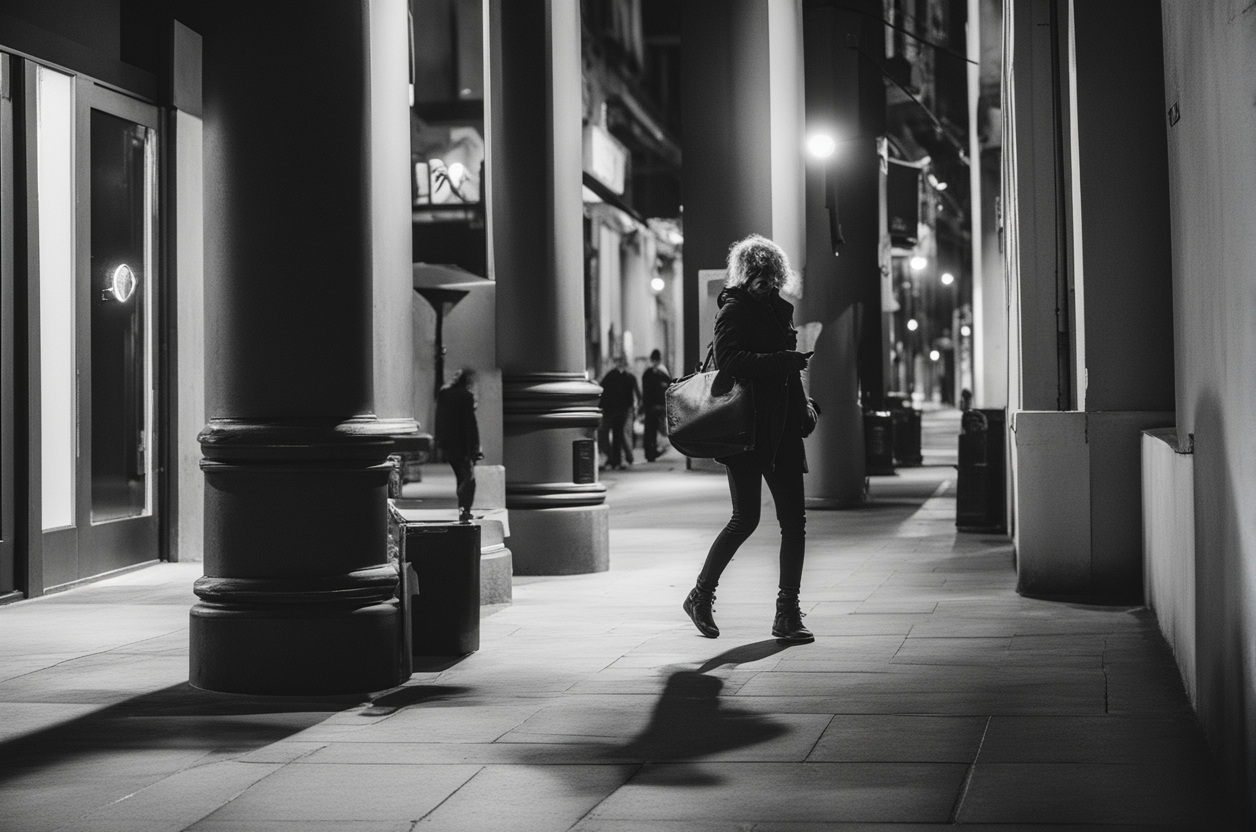
Many photographers shy away from shooting at night due to concerns about noise and lack of available light. However, nighttime offers unique opportunities for capturing atmospheric cityscapes lit up by street lamps and neon signs. Don't be afraid to experiment with long exposures and higher ISO settings to achieve stunning results after dark.
Edit Your Photos With Care
While good composition and technical skill are essential for creating strong travel photographs, editing also plays a significant role in bringing out the best in your work. Use tools such as color correction, exposure adjustments, and selective sharpening to refine your final images and bring them closer to your artistic vision.
Labels:
travel photography, composition, lighting, angles, leading lines, movement, night photography, editing


Comments
Post a Comment